Executive coaching develops an individual leader. Leadership development builds leadership capability across a team or organisation. One works on the person; the other works on the system the person operates inside. They overlap, they are often sold as the same thing, and confusing them is the most common reason a leadership investment fails to land.
The short version: if the problem is one person, coach. If the problem is how leadership works across many people, develop. Most organisations buy one when they needed the other.
What executive coaching actually is
Executive coaching is a confidential, one-to-one relationship aimed at a specific leader's growth. It works at the level of identity and behaviour: how you decide, how you show up under pressure, the gap between the role you perform and the person underneath it. It is bespoke, slow in the right way, and accountable to one person's change.
It is the right tool when a capable leader is stuck, stepping up, or carrying something they cannot say out loud anywhere else. For what coaching is and is not, see executive coaching versus therapy.
What leadership development actually is
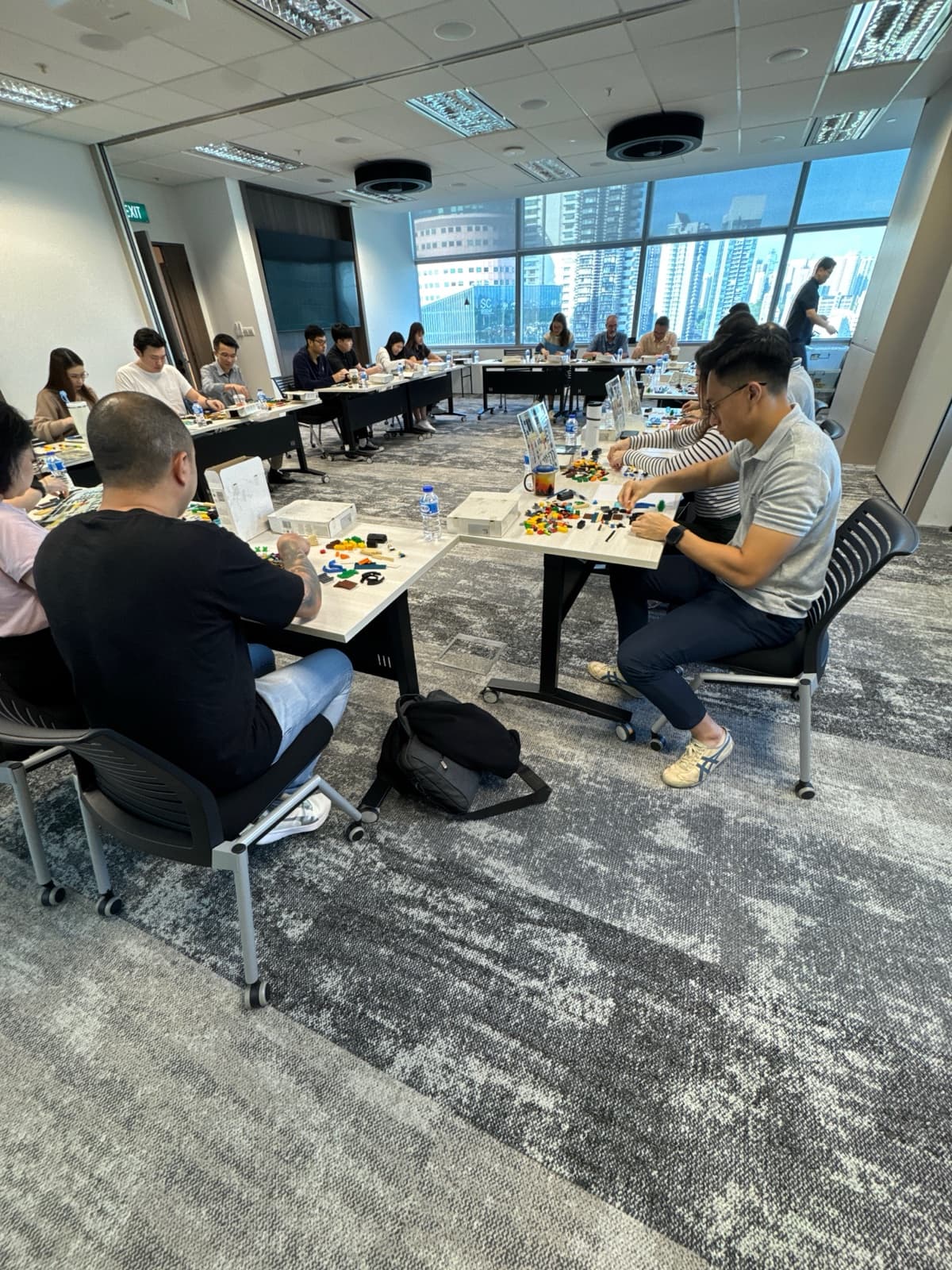
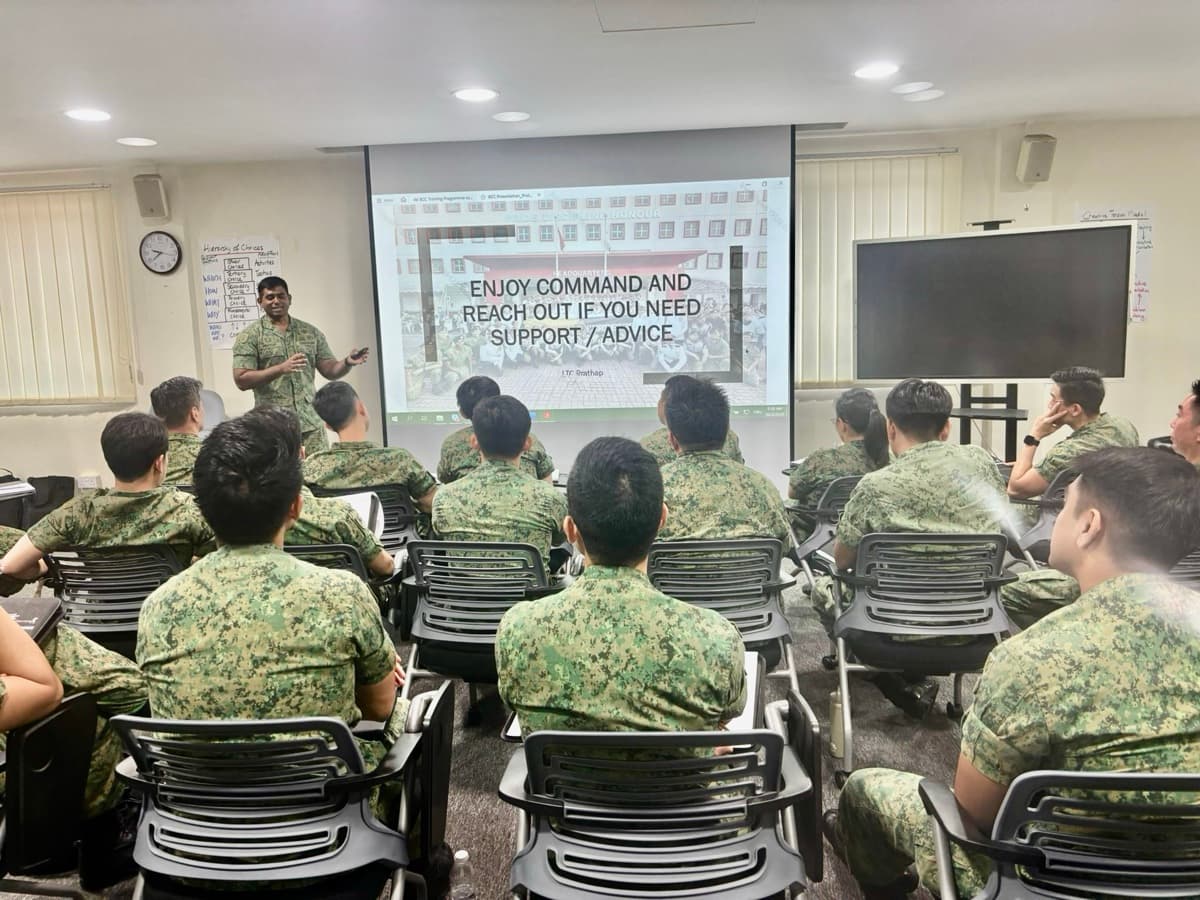
Leadership development builds a shared capability across a group: a cohort, a leadership team, a whole layer of an organisation. It works on the things no individual owns alone. How decisions get made, how the team holds together under load, what behaviour the culture quietly rewards. The unit of change is the team, not the person.
It is the right tool when the problem repeats across people. When good leaders keep producing the same failure, the cause is rarely the leaders. It is the system around them. You cannot coach your way out of a structural problem one person at a time.
The mistake that wastes a year
Here is the trap. An organisation notices a leadership problem, sends its high-potentials on a development programme, and nothing changes, because the actual issue was one senior leader who needed coaching and never got it. Or the reverse: a company coaches one executive intensively while the real problem is a leadership culture that punishes the exact behaviour the coaching is trying to build. The individual improves and the system spits the improvement back out.
The diagnostic question is simple. Is this a person, or is this a pattern? A person is coached. A pattern is developed.
How they work together
The strongest results come from using both deliberately. Develop the team so the system rewards good leadership, and coach the individuals carrying the most consequence so they can lead at the level the system now expects. One changes the conditions; the other changes the capability. Used together, they stop fighting each other.
Which one do you need?
Ask what happens if the person you are worried about leaves tomorrow. If the problem leaves with them, you have a coaching question. If the problem stays, you have a development question. Most organisations, asked honestly, find they have some of both.
Men-Kind does both, one core at two scales: executive coaching for the individual leader, and leadership development for the team and culture. If you are not sure which your situation calls for, that is exactly what a first conversation is for. Start here.