
Crisis LeadershipFor organisations and senior leaders
Strategy holds until contact.
Then judgement takes command.
Get a leadership team ready before the day that tests it: rehearse the decision, test the team, coach the leader who makes the final call.
Within two working days, you'll have either my questions or a written quote.
Shortlisting a Crisis Leadership Exercise?
The Crisis Leadership Exercise has its own page.
The day, the formats, what you leave with, and the tabletop comparison.
The Readiness Triangle
Three ways to be ready
before you have to be.
Judgement, cohesion, and the leader who makes the final call.
Where would yours give first? Take the free readiness check.
Judgement
Rehearse the decision
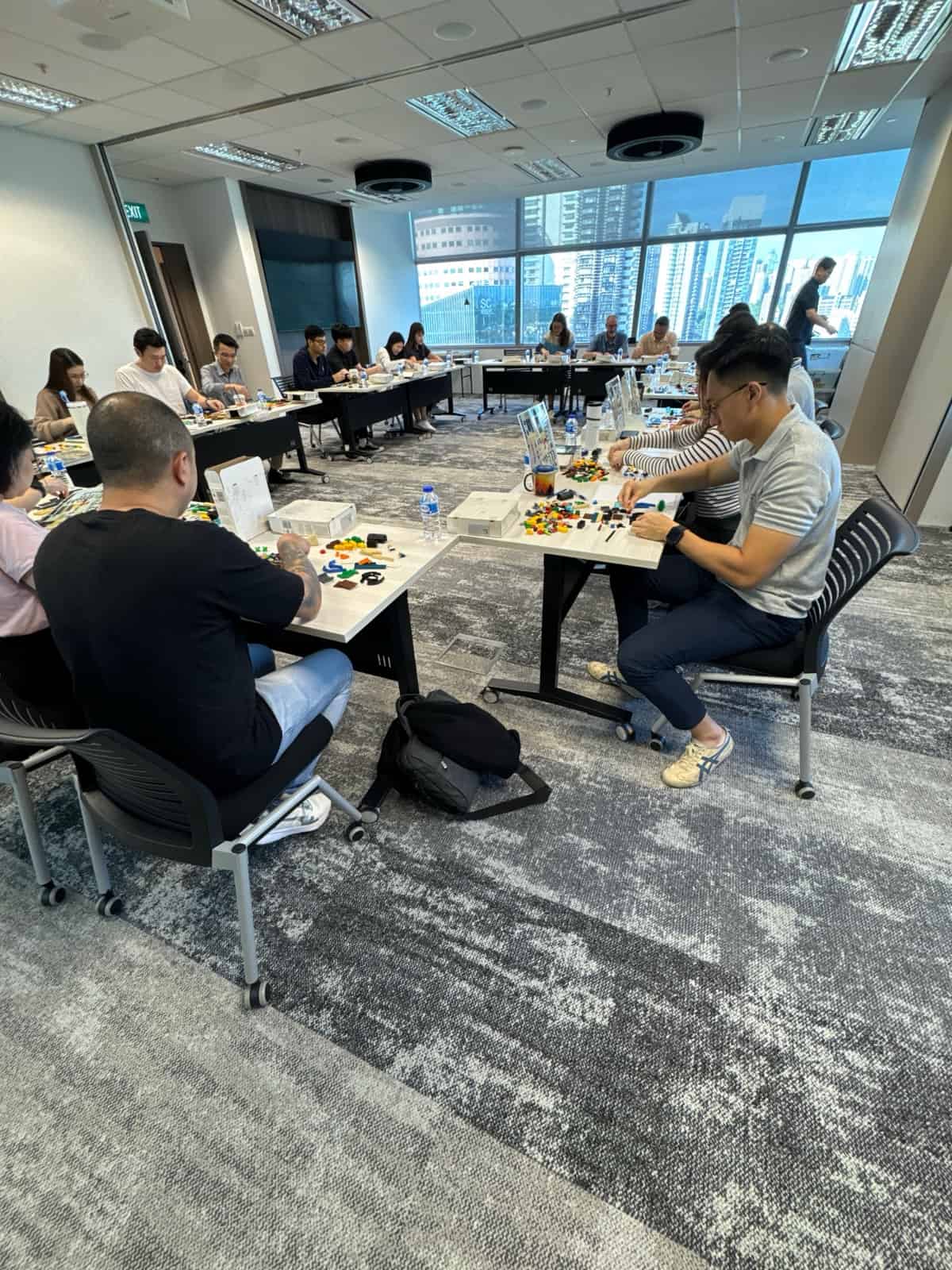
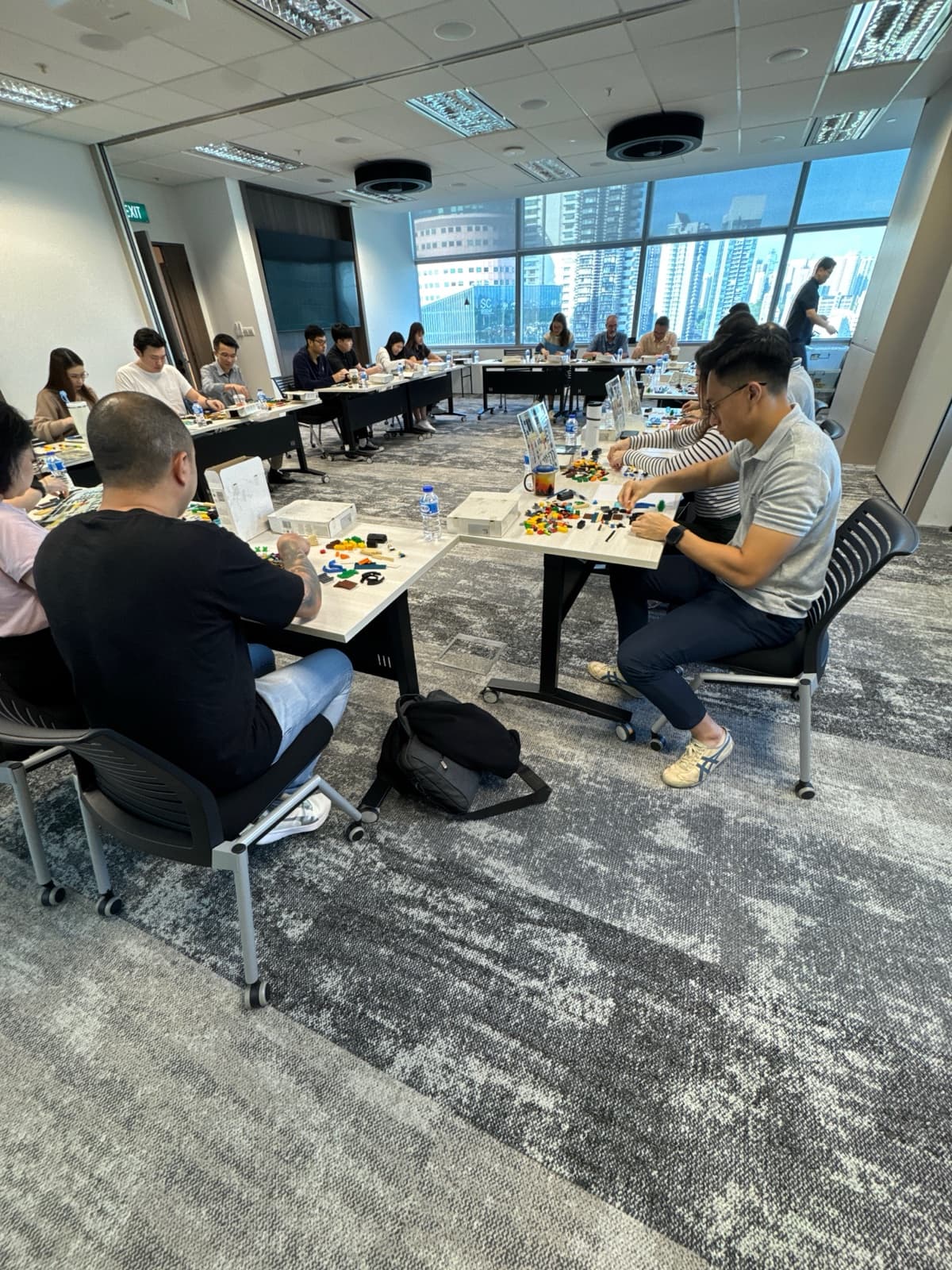
The Crisis Leadership Exercise. Your team decides on incomplete information against a clock, then debriefs how it led.
See the Crisis Leadership ExerciseCohesion
Find the weak point first
The Built to Hold scorecard shows where alignment, trust and decision discipline would give way.
Take the Built to Hold scorecardCommand
Coach the one who carries it
Confidential one-to-one coaching for the leader who carries the decision. Sponsored coaching starts with HR goal-setting and closes with a sponsor review.
See executive coachingThe Grounding
Command experience,
held to research standards.
Command
Paul Prathap spent nineteen years in uniform. His last command was a military police battalion of 650 soldiers and 80 working dogs, through more than 2,000 live operations.
Research
Doctoral researcher in crisis leadership at Cranfield University. PhD in Defence and Security (in progress).
Published
“What Joint Exercises Assume About How Crises Behave”, RUSI Newsbrief, Royal United Services Institute, October 2026.
Read the RUSI piece (members)“Before the national event, my commanders knew the plan well. What we hadn't tested was what they would do when it stopped matching the ground. Prathap's simulation gave us that test, under time pressure, with information arriving late or wrong. The debrief was the most useful hour of the day: each commander saw how their call landed on the next person's. On the day itself, we expected things to run smoothly. What improved was how we picked up the early signals the simulation taught us, and how much easier it became to communicate them across the team. I'd run it again before any major commitment.”
Battalion Commander, SAF
Planning an event? Paul Prathap also gives keynotes on crisis readiness.
Questions Worth Asking
Asked before
the pressure arrives.
Is the Crisis Leadership Exercise the same as a tabletop exercise?
No. In Singapore a tabletop exercise usually means a cyber, business-continuity or incident-response drill that walks a team through a documented plan. Men-Kind's exercise is a decision game: it rehearses the deciding itself, under pressure.
What is crisis leadership?
Crisis leadership is the practice of leading people and decisions through events the plan did not anticipate. It covers how a leader reads the situation, decides, communicates, and steadies the team while the picture keeps changing.
How is crisis leadership different from crisis management or crisis communications training?
Crisis management builds the systems: continuity plans, escalation protocols, response playbooks. Crisis communications trains the message. Crisis leadership trains the person and the team who must exercise judgement when those systems reach their edge. Men-Kind works on the third.
Can decision-making under pressure be trained?
Yes. Two centuries of military practice treat judgement under pressure as a trainable skill. It builds through realistic rehearsal, then an honest review of the judgement behind it. Men-Kind's decision games apply that method to executive teams.
What does a crisis leadership engagement look like?
A short brief, a written quote, then the exercise: a Decision Lab (half or full day), a Crisis Intensive (two to three days) or Embedded as a module in a programme. Typically a written debrief and a 90-day action plan. Then a complimentary stocktake on day 91, before we decide what comes next.
Is crisis leadership training SFEC claimable, and what does it cost?
It is not SFEC claimable, and each engagement is quoted by written proposal. Men-Kind's programmes are bespoke and are not SkillsFuture-listed courses, so they can't be claimed against the SkillsFuture Enterprise Credit. Within two working days, you'll have either my questions or a written quote.
Next Step
Build the readiness
before the day that tests it.
Within two working days, you'll have either my questions or a written quote.
Request a ProposalWhat you share in your enquiry stays confidential. An NDA can be signed before any detailed briefing.