
Crisis Leadership ExerciseFor executive teams and boards
The plan breaks.
Rehearse what your team decides next.
A Crisis Leadership Exercise for executive teams and boards. Your team decides a scenario that reacts, then reviews how it led. Half a day to three days.
Within two working days, you'll have either my questions or a written quote.
Designed and run by Paul Prathap · Former Battalion Commander, Singapore Armed Forces · Doctoral researcher in crisis leadership at Cranfield University
At a glance
- What it is
- A decision game. Your team decides a scenario under pressure, then reviews how it led.
- Who it is for
- Executive committees, boards and senior leadership groups that carry consequential decisions.
- Formats
- Decision Lab: half or full day. Crisis Intensive: two to three days. Embedded: a module in a programme.
- Led by
- Paul Prathap, every session. Groups above 30 add co-facilitators.
- Where
- At your venue, or a venue Men-Kind sources. In Singapore and overseas.
- Notice
- Book at least six weeks ahead. Design takes three to four weeks from brief.
- Fee includes
- Materials, a design call beforehand and a written debrief afterwards. Venue and catering are excluded.
- Fee
- Quoted by written proposal, scoped to your team and the scenario.
What Happens on the Day
Rehearsed like
the real thing.
Five moves · one reinforcing loop
The Decision Game™
- 01Situationthe scenario lands
- 02Appreciateread it together
- 03Decideunder the clock
- 04Actcommit
- 05Reviewhow you led
Each pass through the loop sharpens judgement.
© 2026 Men-Kind. All rights reserved.
The situation
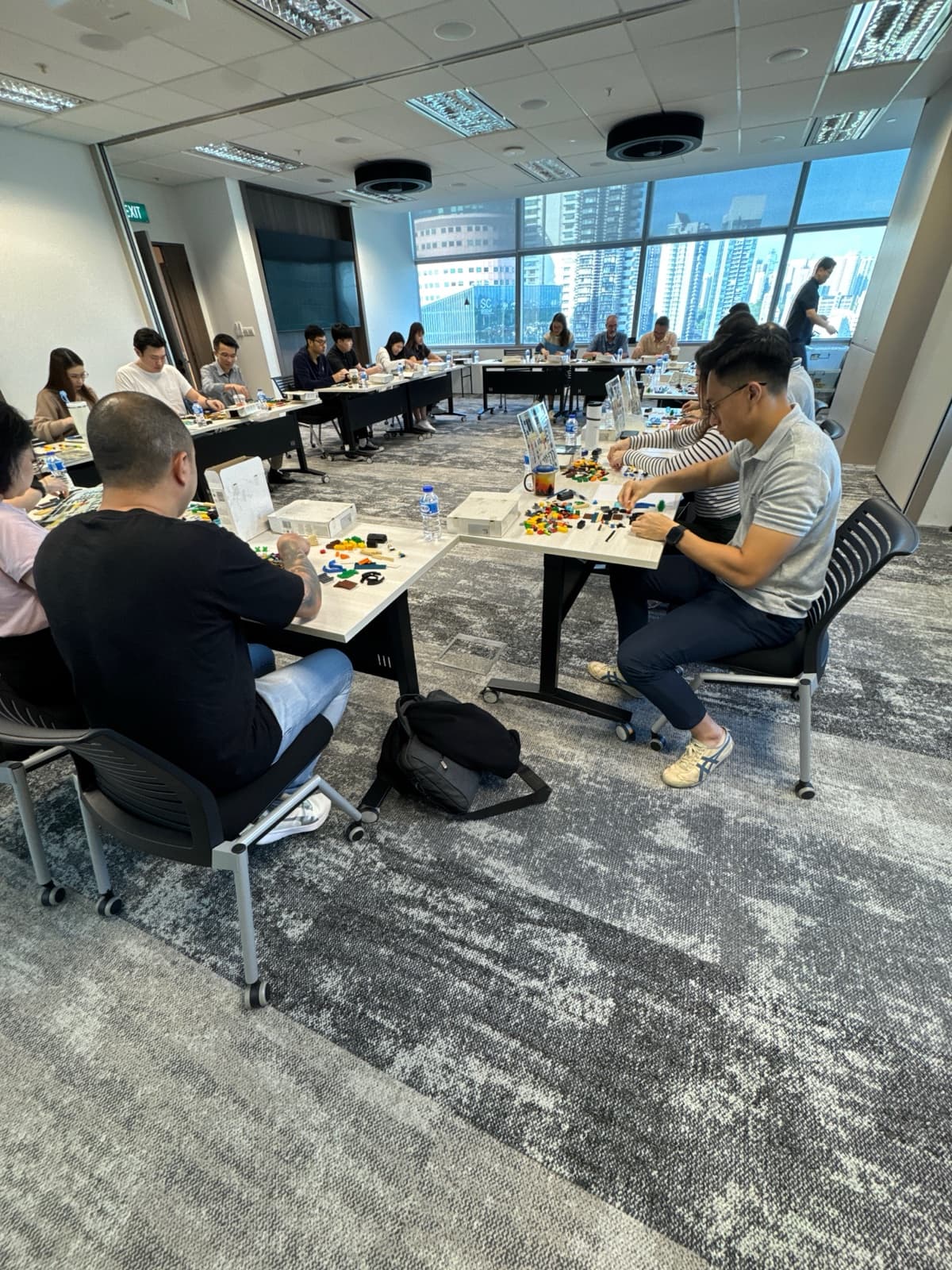
Already in motion, abstract or from your business: crisis, restructure, public failure, succession. No combat.
The appreciation
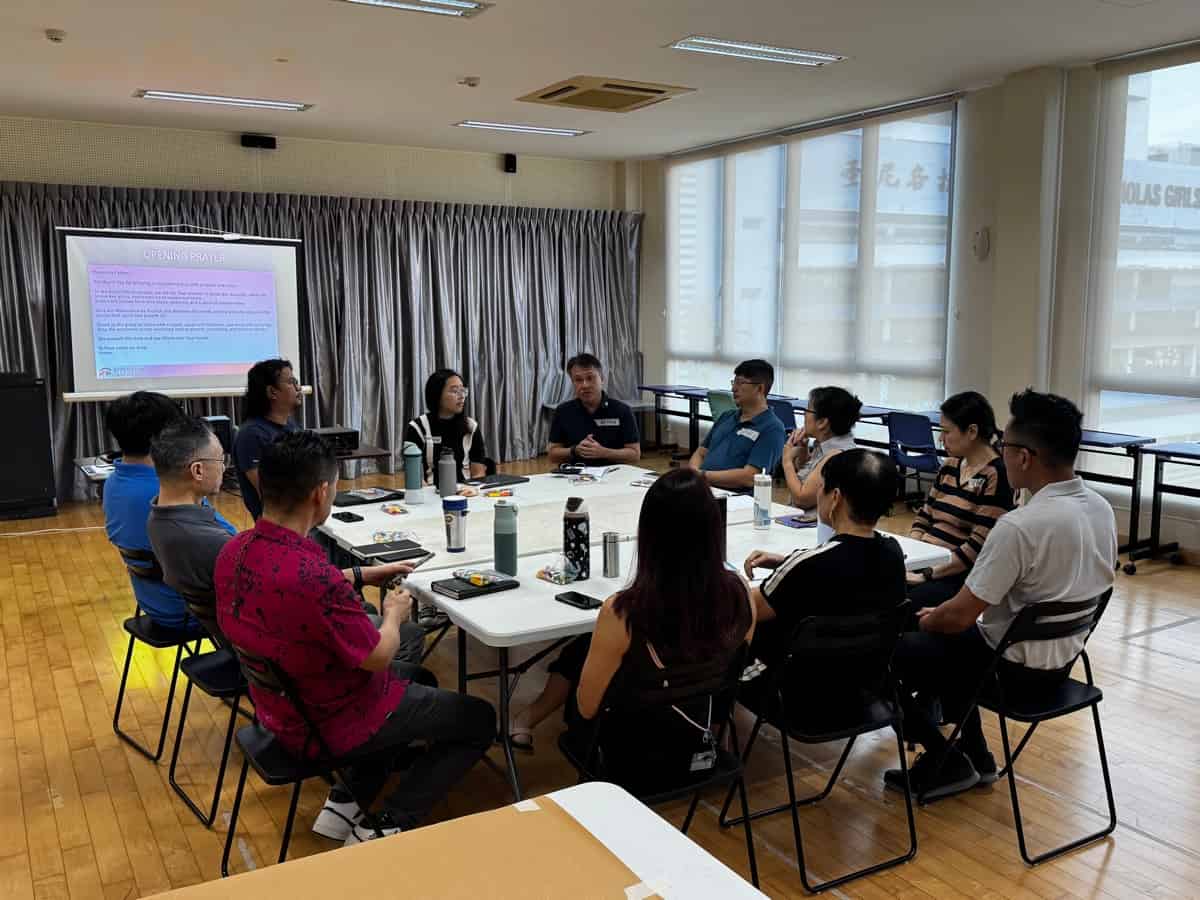
The team reads the situation together before anyone decides.
The decision
Incomplete information, against a clock. The situation reacts to every choice.
The review
One hard debrief on how you led while deciding, honest enough to change the next one.
The Decision Game™Five moves, one loop: situation, appreciate, decide, act, review. Each pass sharpens judgement.
What You Leave With
Three things,
in order.
Before the day
A Built to Hold reading
The Built to Hold scorecard shows where alignment, trust and decision discipline would give way.
On the day
The decision, rehearsed
Your team makes the hard call once, under pressure, before it counts.
After the day
A written debrief and a 90-day plan
Typically a written debrief and a 90-day action plan. Then a complimentary stocktake on day 91, before we decide what comes next.
Start now, free: take the Built to Hold scorecard.
Tabletop or Decision Game
A tabletop works the plan.
This works the deciding.
A tabletop exercise
- What the term means here
- A cyber, business-continuity or incident-response drill.
- What it works on
- The plan.
- Use it when
- You want the team walked through the documented plan.
This exercise
- What it is
- A decision game. A rehearsal of how a leadership team decides when the plan breaks.
- What it works on
- The deciding itself, under pressure, against a situation that reacts.
- Use it when
- The gap is how your team decides and holds its nerve when the plan fails.
Comparing providers? Read the four lanes of crisis training in Singapore and the four tests of a real wargame.

Who Runs It
Built where the
decisions were real.
Command
Nineteen years in uniform. His last command was a military police battalion of 650 soldiers and 80 working dogs, through more than 2,000 live operations.
Research
Doctoral researcher in crisis leadership at Cranfield University. PhD in Defence and Security (in progress).
Exercises
More than 20 decision exercises designed and run in command, rebuilt for the boardroom.
Published
“What Joint Exercises Assume About How Crises Behave”
RUSI Newsbrief, Royal United Services Institute, October 2026.
Experience includes crisis work for a client in a regulated sector. The client is not named.
“Before the national event, my commanders knew the plan well. What we hadn't tested was what they would do when it stopped matching the ground. Prathap's simulation gave us that test, under time pressure, with information arriving late or wrong. The debrief was the most useful hour of the day: each commander saw how their call landed on the next person's. On the day itself, we expected things to run smoothly. What improved was how we picked up the early signals the simulation taught us, and how much easier it became to communicate them across the team. I'd run it again before any major commitment.”
Battalion Commander, SAF
Questions Worth Asking
Asked before
every exercise.
Is this a tabletop exercise?
It is a different exercise. In Singapore a tabletop exercise usually means a cyber, business-continuity or incident-response drill that walks a team through a documented plan. A decision game rehearses the deciding itself, under pressure, against a situation that reacts.
We already run tabletop exercises. What does this add?
A tabletop works the plan. This exercise works the people who must decide once the plan has run out. The scenario branches from your team's choices, and the debrief examines how the team decided. Both matter.
What is scenario-based leadership training?
Leadership training built around decision games: Kriegsspiel-style scenarios where a team acts on incomplete information against a moving situation, then debriefs how it led. Leaders rehearse judgement under pressure before reality demands it.
What do we leave with?
A decision rehearsed once under pressure, and one hard debrief on how your team decided. Afterwards you typically receive a written debrief and a 90-day action plan. A complimentary stocktake follows on day 91, before we decide what comes next.
How much does the Crisis Leadership Exercise cost?
It is quoted by written proposal, scoped to your team and the scenario. Within two working days, you'll have either my questions or a written quote.
What does the fee include?
Materials, a design call beforehand and a written debrief afterwards. Venue and catering are excluded: your own, or quoted separately when Men-Kind sources the venue.
How far ahead should we book?
Book at least six weeks ahead. Design takes three to four weeks from brief.
Is what we share confidential?
Yes. What you share in your enquiry stays confidential. An NDA can be signed before any detailed briefing.
Is this SFEC or SkillsFuture claimable?
No. Men-Kind's programmes are designed for one team and are not SkillsFuture-listed courses, so they can't be claimed against the SkillsFuture Enterprise Credit. Fees are scoped to your budget instead.
Do the scenarios involve combat or military role-play?
Never. Scenarios are drawn from your business or built abstract: crisis, restructure, public failure, succession. No combat, no political theatre. The military provenance lives in the method.
Who is it for, and how large can the group be?
Executive teams, senior leadership groups, and high-potential cohorts. Formats run from a Decision Lab of half or full day to a Crisis Intensive of two to three days, or Embedded as a module in a programme. The group is scoped to your team.
Who runs the exercise?
The exercise is designed by a former Battalion Commander in the Singapore Armed Forces, now a doctoral researcher in crisis leadership at Cranfield University. Paul Prathap leads every session. Groups above 30 add co-facilitators.
Where does the training run?
At your venue, or a venue Men-Kind sources. In Singapore and overseas. Decision games work best with everyone in the same room. Online or hybrid where the format allows.
Around the exercise: the Readiness Triangle and a keynote on crisis readiness.
Where would your team give first? Take the free crisis readiness check. Nine statements, two minutes.
Around the Exercise
The rest of
the crisis work.
How to Get a Quote
Three steps.
No mystery.
Your Brief
Send the team, the pressure they face and the decision they keep getting wrong. Book at least six weeks ahead. A call is optional.
Written Quote
Within two working days, you'll have either my questions or a written quote. The quote comes with a scenario built for your situation.
Design, Exercise, Review
Design takes three to four weeks from brief. Then the decision game, run under pressure, and one hard debrief. A written debrief and a 90-day action plan typically follow.
Request a Proposal
What you share in your enquiry stays confidential. An NDA can be signed before any detailed briefing.