Crisis leadership training in Singapore falls into four lanes: crisis communications, corporate risk and continuity, public-sector command, and leadership decision-making under pressure. Most buyers ask for one lane and end up buying another. Choose the lane that matches the decision your leaders will face. This guide maps who works in each lane and how to choose.
The word crisis is doing a lot of work on training brochures. Two programmes can both promise to prepare your leaders for a crisis and rehearse completely different things. One drills the press statement. Another drills the continuity plan. A third drills the decision itself. Knowing which one you actually need is most of the buying decision.
What actually counts as crisis leadership training?
It helps to separate three things that often travel under the same label. Crisis communications is about the message: what you say, to whom, and how fast, when the organisation is under public scrutiny. Corporate risk and business continuity is about the plan: the documented playbooks, the recovery steps, the roles that keep the business running. Crisis leadership, properly understood, is about the deciding: how a leadership team holds its judgement and its nerve when the situation is moving, the information is incomplete, and the playbook has run out.
All three matter. But a programme that trains the message or the plan will not train the deciding, and it is the deciding that fails first when a real crisis does not match the page. If you want the mechanism behind that claim, we set it out in what is scenario-based leadership training.
What are the options in Singapore in 2026?
Grouped by the lane each one genuinely occupies, rather than the label on the brochure:
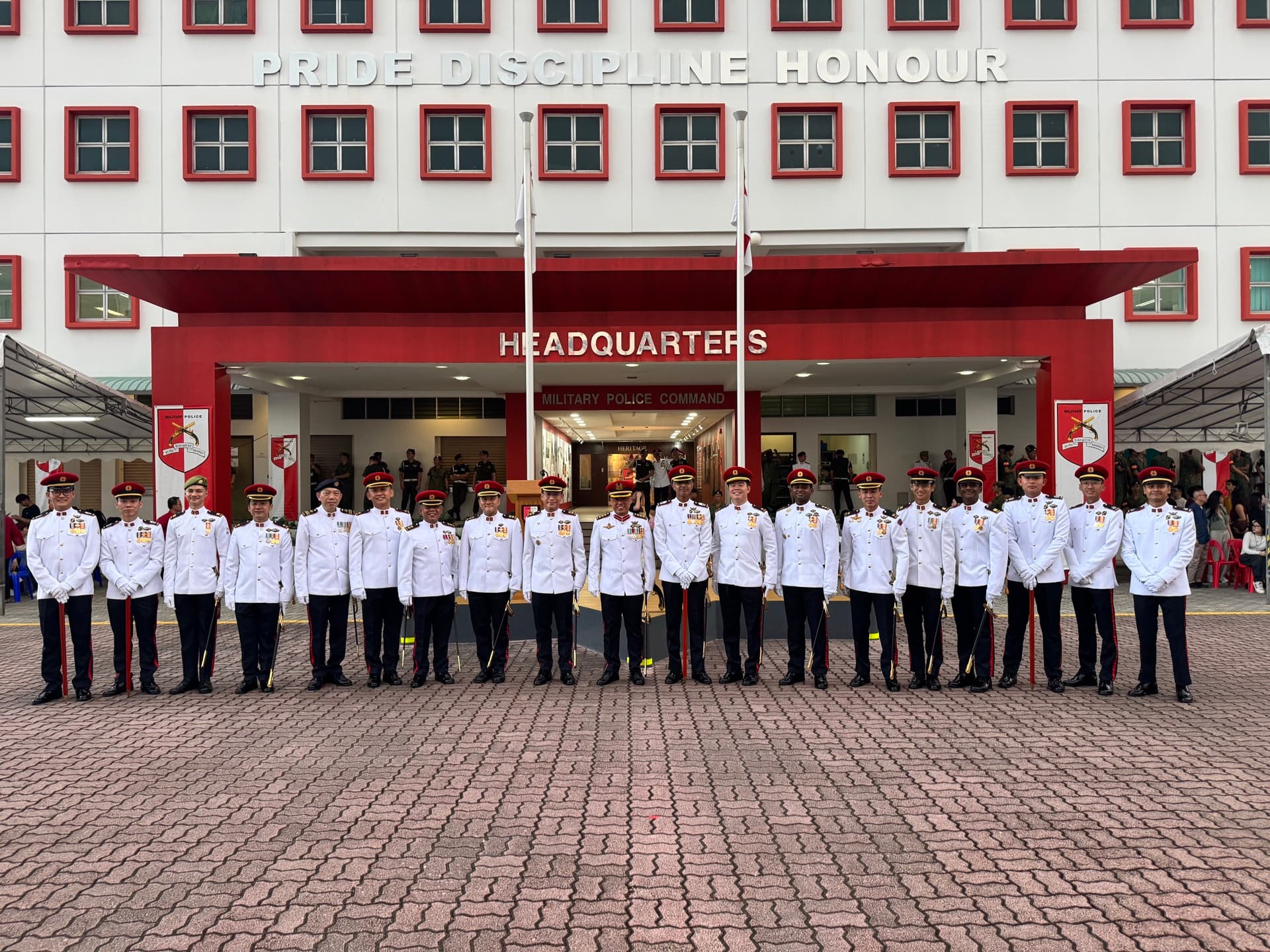
- Public-sector command programmes. The Crisis Management for Leaders programme, jointly developed by the Singapore University of Social Sciences and the Home Team Academy, is a six-day course built for Whole-of-Government leaders. It combines case studies with a national-level crisis simulation and focuses on inter-agency coordination. It is strong for public-sector leaders, and it is designed for that audience rather than as an open corporate programme.
- Crisis communications and media training. Socium works in the message-under-pressure lane: press briefings, stakeholder response, and simulated press conferences run with working journalists, structured around its CONSOLE-D framework developed by Dr Kevin Tan. If your exposure is reputational and media-facing, this is the specialist lane. It trains the communication, not the operational command decision.
- Corporate risk and preparedness. Marsh, with a genuine Singapore presence, delivers risk and insurance-led corporate preparedness, including scenario exercises and on-ground crisis support. The International SOS Foundation, co-headquartered in London and Singapore, offers crisis-management training available to Singapore corporates, including a workforce-risk simulation. The global consultancies Deloitte and PwC run wargaming and tabletop exercises too, though as bespoke advisory engagements rather than an open programme.
- Visiting scenario workshops. Risalat runs Singapore-hosted crisis-management training. It is worth noting it is a global training firm using Singapore as a delivery location rather than a locally rooted practice.
- Leadership decision-making under pressure. This is the lane that trains the deciding directly, through decision games rather than lectures or plans. It is the lane Men-Kind works in, and the one with the fewest providers in the market.
Is anyone in Singapore running leadership wargaming or decision games?
We could not identify a Singapore-based provider offering business-wargaming or Kriegsspiel-style decision simulation built specifically for corporate leadership teams. The established wargaming firms, among them ACRASIO, Sedulo and Fortlane, have no visible Singapore presence, and the global consultancies deliver it as bespoke advisory rather than an open offering. The term tabletop exercise is common here, but it usually refers to a cyber, business-continuity or incident-response drill, not a rehearsal of how a leadership team decides when the plan breaks.
That gap is where Men-Kind sits. The method is not new: militaries have used decision games for over two centuries, from the Prussian Kriegsspiel to the drills run in operations rooms today. It is drawn from more than two thousand operations in command and from doctoral research in crisis leadership at Cranfield University into how leaders hold themselves and their teams together under acute pressure. You can see how it is built on the scenario-based leadership training page.
How do you choose the right one for your team?
Match the tool to the decision your leaders will actually face, not to the word on the label. A short guide:
- If you are a government agency whose risk is inter-agency coordination, a public-sector command programme fits.
- If your exposure is reputational and media-facing, crisis communications training is the specialist lane.
- If you need documented continuity plans, insurance-linked preparedness and on-ground support, a risk consultancy is the right call.
- If the gap is how your leadership team decides and holds its nerve when the plan fails, leadership decision simulation is what you are looking for.
The mistake to avoid is buying a communications workshop or a continuity plan when the real weakness is the deciding, because that only shows up under pressure you have not rehearsed. In PwC's 2023 Global Crisis and Resilience Survey, 89 percent of leaders called resilience one of their most important strategic priorities. The intent is clearly there. The question is whether the training you buy rehearses the capability you actually need.
Is crisis leadership training claimable under SkillsFuture or SFEC?
Only when the course appears in the official SkillsFuture course directory. Bespoke crisis leadership programmes, Men-Kind's included, are built for one organisation and are not listed courses, so they cannot be claimed against the SkillsFuture Enterprise Credit. Check the listing before a budget depends on it. Is leadership training SFEC-claimable? explains how.
How much does crisis leadership training cost in Singapore?
Men-Kind scopes every programme to the team, the outcome and your budget. After a 30-minute Clarity Call you receive a written proposal, fee included, within 48 hours. The global consultancies price comparable work the same way, as bespoke advisory.
Can crisis leadership training be delivered in-house for our leadership team?
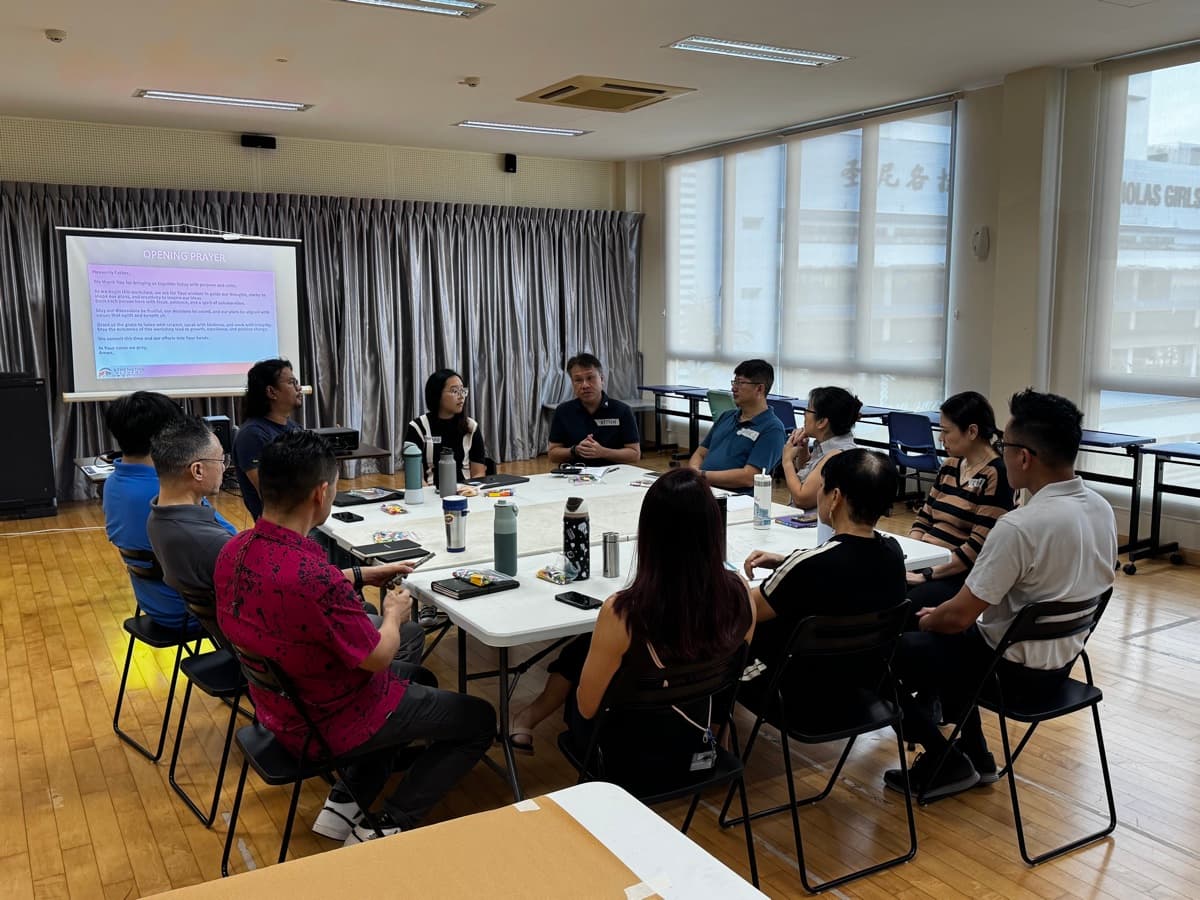
Yes, and in-house is the norm for this work, because the scenarios should be drawn from your business, a restructure, an operational failure, a public crisis, rather than pulled off a shelf. Men-Kind designs every session bespoke after a 30-minute Clarity Call, half-day to multi-day, and responds to enquiries with a scoped proposal within 48 hours.
How long does crisis leadership training take?
Formats run from a half-day Decision Lab with one scenario and one hard debrief, to a two or three-day intensive built around an escalating scenario, to modules embedded inside a longer leadership programme. Men-Kind scopes the length to the decision your leaders actually face, and the free Clarity Call settles which format fits.
If the deciding is the capability you want to build, that is the work we do. Read more about scenario-based leadership training or the broader leadership development programmes, or request a proposal. Tell us the team and the pressure they are under, and we respond within 48 hours with a scoped design. No pitch, just a clear next step.