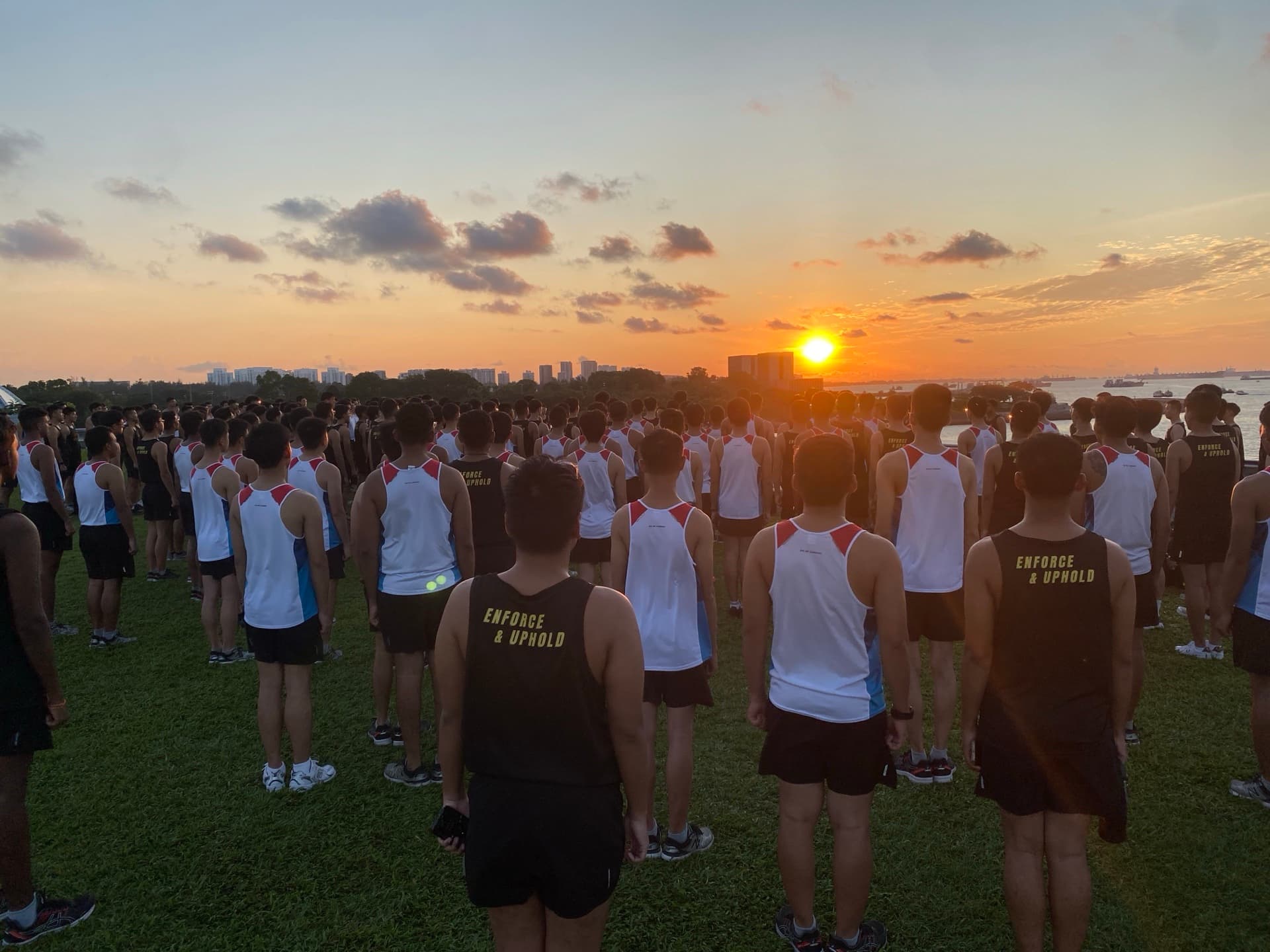
Yes. Decision-making under pressure can be trained, but not by the methods most leadership programmes use. It is not taught through frameworks or case studies. It is built the way any high-pressure skill is built: through repeated, realistic rehearsal of the decision itself, followed by an honest debrief of the judgment behind it.
The belief that some leaders simply have it and others do not is mostly an illusion. What looks like a natural gift is almost always accumulated repetitions. The calm leader in the crisis is rarely calmer by temperament. They have simply been here before, in something close enough that their nervous system is not hijacked by novelty.
Why frameworks fail under pressure
A framework is knowledge, and knowledge lives in the slow, deliberate part of the mind. Pressure shuts that part down. Under real stress, attention narrows, time distorts, and the brain reaches for whatever is most rehearsed, not whatever is most correct. This is why a leader can ace the workshop and freeze in the meeting that matters. The workshop trained recall. The meeting demanded judgment, and judgment under load is a different system entirely.
So the problem with most decision-making training is not that it is wrong. It is that it trains the part of the mind that pressure switches off.
What actually transfers
Three things build decisions that hold under pressure, and none of them is a model.
The first is exposure: rehearsing decisions under conditions that resemble the real thing closely enough that the body believes it. The novelty is what overwhelms people, so the training removes the novelty. The second is debriefing judgment, not outcome. Outcomes are noisy; a bad decision can get lucky. Examining why you chose what you chose, separate from how it turned out, is what sharpens the next choice. The third is identity. Under pressure, a leader falls back on who they believe they are, not what they were taught. Work that touches identity, not just behaviour, is what holds when everything else is stripped away.
What two centuries of practice already proves
Militaries solved this long ago. The Prussian Kriegsspiel, modern operations-room drills, the relentless rehearsal of decisions before they are ever needed. The point was never to predict the exact crisis. It was to make the act of deciding under pressure familiar, so that when the real thing arrived, the leader had one less thing to be surprised by. My doctoral research at Cranfield University studies how this holds, and where it breaks, when the pressure is real.
The implication for leaders
If decision-making under pressure can be trained, then a team that freezes in a crisis is not a team of weak leaders. It is a team that was never trained for the condition you are now judging them by. That is a fixable problem, and the fix is rehearsal, not exhortation.
This is the core of Men-Kind's scenario-based leadership training. If you want your leaders to decide well on the day it counts, the work starts before the day arrives. A short conversation is the right first step.